SodaSlim Blog
Three of five ingredients contain caffeine, and the label prints no total
Caffeine anhydrous is caffeine, green coffee bean extract is an extract of unroasted coffee beans, and NCCIH says green tea does contain caffeine. That is three of the five ingredients on this label. FDA cites 400 milligrams a day and NIH puts the ceiling for most adults at 400 to 500 milligrams a day. No caffeine figure is printed for this product.
By the SodaSlim Editorial Desk · Last updated September 24, 2026
Which three of the five, and how we know
This is the sharpest post on the site, because it is the only place where the missing numbers on this label meet numbers that genuinely exist.
The listing panel names five ingredients: Caffeine Anhydrous, Green Coffee Bean Extract, Raspberry Ketone, Garcinia Extract, Green Tea Extract. Three contain caffeine.
Caffeine anhydrous is caffeine, dried and concentrated.
Green coffee bean extract is an extract of unroasted coffee beans, and green coffee also contains caffeine.
Green tea extract is a concentrated extract of green tea leaf, and NCCIH puts it plainly: “No safety concerns have been reported for green tea consumed as a beverage by adults. However, green tea does contain caffeine.”
Three sources of one substance in one capsule, and no figure for any of them.
The four caffeine numbers that do exist
What makes the gap unusual is that caffeine is the one ingredient on this label that both NIH and FDA attach real numbers to. Here are the figures our sources publish.

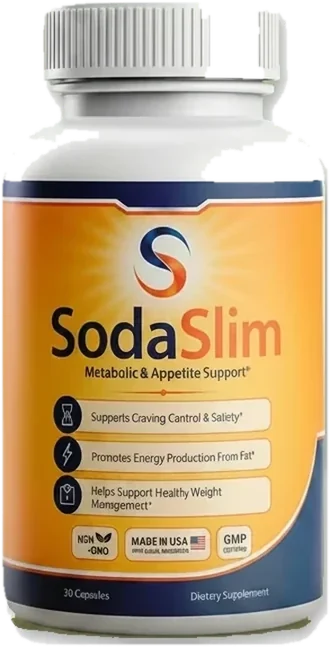


The bottle names five ingredients
The seller's listing panel names five ingredients and no figures. No amount is published for any of the five. There is no Supplement Facts panel for this product, so there is no milligram figure, no percent daily value and no blend total anywhere on it.
Three of the five carry caffeine
Caffeine anhydrous is caffeine. Green coffee bean extract is an extract of unroasted coffee beans. NCCIH says of green tea: “No safety concerns have been reported for green tea consumed as a beverage by adults. However, green tea does contain caffeine.”
The numbers exist, elsewhere
FDA cites “400 milligrams a day - that's about two to three 12-fluid-ounce cups of coffee - as an amount not generally associated with negative effects”. That is a daily figure for a person, not a per-ingredient figure for a capsule.
The label publishes none of them
Caffeine per serving: not published. There is no Supplement Facts panel in which it could have appeared, so the comparison cannot be made.
Step 1 of 4
The far end of the scale sits on the same page: “The FDA estimates toxic effects, like seizures, can be observed with rapid consumption of around 1,200 milligrams of caffeine”. And there is a separate warning about concentrated forms: “Pure and highly concentrated caffeine products can have serious health consequences, including death.”
NIH gives a range rather than a single number: “Caffeine is safe for most adults at doses up to 400-500 milligrams (mg) a day, but it can make you feel nervous, jittery, and shaky.”
Four figures, from two federal pages, all of them about a person's day rather than about a capsule. Every one is useless here for the same reason.
What this label prints where a caffeine figure would go
So what does this bottle print where a caffeine figure would go?
| The published figure | Where it comes from | What this label prints |
|---|---|---|
| Caffeine per serving | FDA: 400 mg a day not generally associated with negative effects | not published |
| Total daily caffeine | NIH: safe for most adults up to 400-500 mg a day | not published |
| Green coffee bean extract | NIH: seems safe at up to 200 mg a day for 12 weeks | not published |
| Caffeine from green tea extract | NCCIH: green tea does contain caffeine | not published |
| Caffeine from green coffee bean extract | Nothing published either way: no source we opened gives a figure or a share | not published |
Five rows, and the same value in every one of them. No amount is published for any of the five. There is no Supplement Facts panel for this product, so there is no milligram figure, no percent daily value and no blend total anywhere on it.
It is not a figure in a unit you have to convert, or a blend total hiding a split. There is no panel at all, and the bottle picture cannot fill that in. The bottle picture supplied with this stock is a rendering rather than a photograph, and several lines of its own type are misspelled, so it cannot be used to verify what any printed label says. The testing and quality page sets out why a rendering is not evidence of a printed label.
Why three sources of one substance is an arithmetic question
If a label named one caffeine source and printed no amount, you would have one unknown. With three you have three unknowns that add together before they reach you, and the figure that would settle it is the one nobody has printed.
This site will not estimate it. That would mean assuming an extract strength for green coffee, a second for green tea and a dose for the anhydrous caffeine, then presenting three invented numbers as information.
What can be said without inventing anything is the shape of it: FDA's 400 milligram figure and NIH's 400 to 500 milligram range are budgets for a whole day, and a budget only works if you know what each item costs. This capsule has no price on it.
Why no figure is estimated here
Estimating a total would mean assuming an extract strength for green coffee, a second one for green tea and a dose for the anhydrous caffeine, then adding three invented numbers. This site publishes the gap instead, because a gap can be questioned and an invented figure cannot.
One capsule in the morning, and the rest of the day
The directions are specific about timing: The recommended dosage is 1 capsule daily. For the best results in appetite control and energy levels, we suggest taking it in the morning.
Morning is the label's own instruction rather than our suggestion. But the timing does not close the arithmetic, because the rest of the day still has coffee, tea, soft drinks and any other supplement in it. FDA glosses its own figure as about two to three 12-fluid-ounce cups of coffee.
So a reader who wants to stay inside a published daily figure has to subtract this capsule from their budget, and cannot. How to take it covers the timing question in more detail, and the label does settle one number: 30 capsules at 1 capsule a day is exactly 30 days a bottle.
Who the sources say should ask before taking any of it
Both federal pages name people who should take more care, and neither list is ours.
FDA: “Certain conditions tend to make people more sensitive to caffeine's effects, as can some medications. If you are concerned about a condition or medication, or if you're pregnant, trying to become pregnant, or breastfeeding, we recommend talking to your health care provider about whether you need to limit caffeine consumption.”
NIH, on what caffeine can feel like below any safety ceiling: “Caffeine is safe for most adults at doses up to 400-500 milligrams (mg) a day, but it can make you feel nervous, jittery, and shaky.”
FDA on too much of it: “Too much caffeine can cause a variety of symptoms: increased heart rate, heart palpitations, high blood pressure, insomnia or sleep disruptions, anxiety, jitters, upset stomach, nausea, headache”
The label's own caution points the same way: For healthy adults 18 years and over only. Not for anyone under 18. Talk to a doctor before use if you take medicine. Do not take more than the label says unless a clinician tells you to.
Every one of those sentences is easier to act on when you know how much caffeine you are taking. None of them can be acted on precisely here. The cautions page carries the full list of cautions, and who it is for sets out the audience the label names.
What to ask the order desk, in order
The order desk is on +1 (302) 200-3480. Its opening hours are not published, so allow more than one attempt. These are the questions worth asking, in this order.
How many milligrams of caffeine are in one capsule?
The single figure that would let a buyer use FDA's 400 milligram number and NIH's range. Everything else here is a way of getting at the same thing.
How much of that comes from each of the three ingredients?
A split would also show whether the extracts are standardised, which an extract name alone never settles.
Is there a Supplement Facts panel, and can you send a photograph of it?
A photograph of a printed panel would answer the amount question for all five ingredients at once.
How many milligrams of green coffee bean extract are in a serving?
NIH says it seems to be safe at up to 200 milligrams a day for 12 weeks. Without an amount and a course length, neither half of that sentence can be applied.
Who manufactures it, and is there a certificate of analysis document?
No manufacturer is named anywhere on the artwork or the listing, and the lot and certificate strings supplied are draft label values rather than laboratory proof.
If the desk cannot answer the first question, that is itself an answer, and it is worth having before you spend $177 rather than after.
Closing on a number that is not there
The evidence behind three of these five ingredients is quantitative. The safety guidance for the ingredient common to all three is quantitative. The label is not. That is why this site does not print a caffeine figure for SodaSlim: there is none to print.
No published trial on the finished SodaSlim formula appears in anything we have read, so every source on this site describes a named ingredient or the product category rather than this product.
If the seller supplies a Supplement Facts panel, or the order desk gives a figure in writing, this page changes and the date at the top of it moves. Until then the answer is not published.
These statements have not been evaluated by the Food and Drug Administration. This product is not intended to diagnose, treat, cure, or prevent any disease.
Try SodaSlim with 60 days to change your mind
Three bottles is $59 each with free US shipping, and 90 days of product sits against a 60-day window. Two bottles is $69 each if you would rather start smaller.
Order desk +1 (302) 200-3480 · opening hours not published
References
- National Institutes of Health, Office of Dietary Supplements. Dietary Supplements for Weight Loss: Fact Sheet for Consumers. https://ods.od.nih.gov/factsheets/WeightLoss-Consumer/
- U.S. Food and Drug Administration. Spilling the Beans: How Much Caffeine is Too Much? https://www.fda.gov/consumers/consumer-updates/spilling-beans-how-much-caffeine-too-much
- National Center for Complementary and Integrative Health. Green Tea. https://www.nccih.nih.gov/health/green-tea
Every source above was opened and read on September 24, 2026. None of them tested SodaSlim itself. They describe the named ingredients and the product category, which is a different thing from testing this finished formula.
Keep reading
Next on this site
Green tea extract in a capsule: the line NCCIH records, and why format matters
NCCIH reports liver injury primarily with green tea extracts in tablet or capsule form. This product is an extract in a capsule, at an unpublished amount.
What might help you lose a small amount of weight actually means
The hedged sentence three of these five ingredients earn, why it is the ceiling on this label, and why no amount lets you stand under it.
What the label prints, line by line
Every line the artwork carries, the panel that does not exist, and the published figures this bottle cannot be held against.